
Introduction to Human-Computer Interaction: UX/UI Principles, Prototyping, and Design
Categories: Design, IT
Wishlist Share

About Course

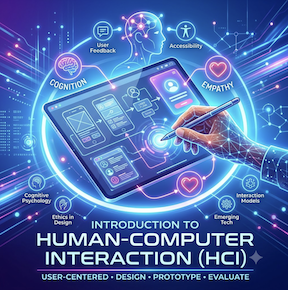
Dive into the fascinating world where human psychology meets digital design. This course offers a well-rounded introduction to the field of Human-Computer Interaction (HCI). You will learn how to design intuitive, user-centered interfaces by understanding cognitive models, conducting thorough usability testing, and utilizing industry-standard prototyping tools. From historical paradigms to emerging technologies like AR/VR and AI-driven UX, this course equips you with the practical skills needed to solve real-world usability challenges and build empathetic, accessible digital experiences.

What Will You Learn?

  • By the end of this course, you will be able to:
  • Understand the basic principles and theories of HCI.
  • Learn user-centered design methodologies and techniques.
  • Acquire practical skills in prototyping, designing, and evaluating user interfaces.
  • Develop an empathetic approach to designing for diverse and inclusive user needs.
  • Recognize and navigate ethical considerations within HCI and tech design.

Course Content

Foundations of Human-Computer Interaction
This period introduces the fundamental theories and principles of HCI that prioritize the user. It sets expectations through institutional alignment and explores the historical evolution, user contexts, and the basic principles of user-centered design.

  • Introduction to HCI & UI/UX Principles
    10:08
  • Quiz: Introduction to HCI & UI/UX Principles
  • History & Evolution of HCI
    00:00
  • Quiz: History & Evolution of HCI
  • Understanding Users & Contexts
    00:00
  • Quiz: Understanding Users & Contexts
  • Principles of User-Centered Design
    00:00
  • Quiz: Principles of User-Centered Design
  • Prelim Exam Clearance: Exam Permit Submission
  • PRELIM EXAMINATION: Introduction to HCI

Design, Prototyping, and Cognitive Evaluation
The midterm period transitions into practical application, focusing on identifying user challenges based on cognitive abilities and beginning the design process. Students learn how to build low-fidelity and high-fidelity prototypes and conduct usability testing to evaluate their designs.

Advanced Prototyping, Accessibility, and Ethics
This section deepens the technical and ethical skills required for modern HCI. It introduces techniques to design interfaces that are inclusive for diverse user needs while mastering advanced prototyping tools and tackling ethical challenges within the tech industry.

HCI Domains, Emerging Trends, and Final Integration
The final period focuses on applying generalized HCI methods to fix usability problems across specific industry domains (such as healthcare, education, or finance) and anticipating future technologies. The term concludes with a comprehensive exam and the presentation of a major final project.

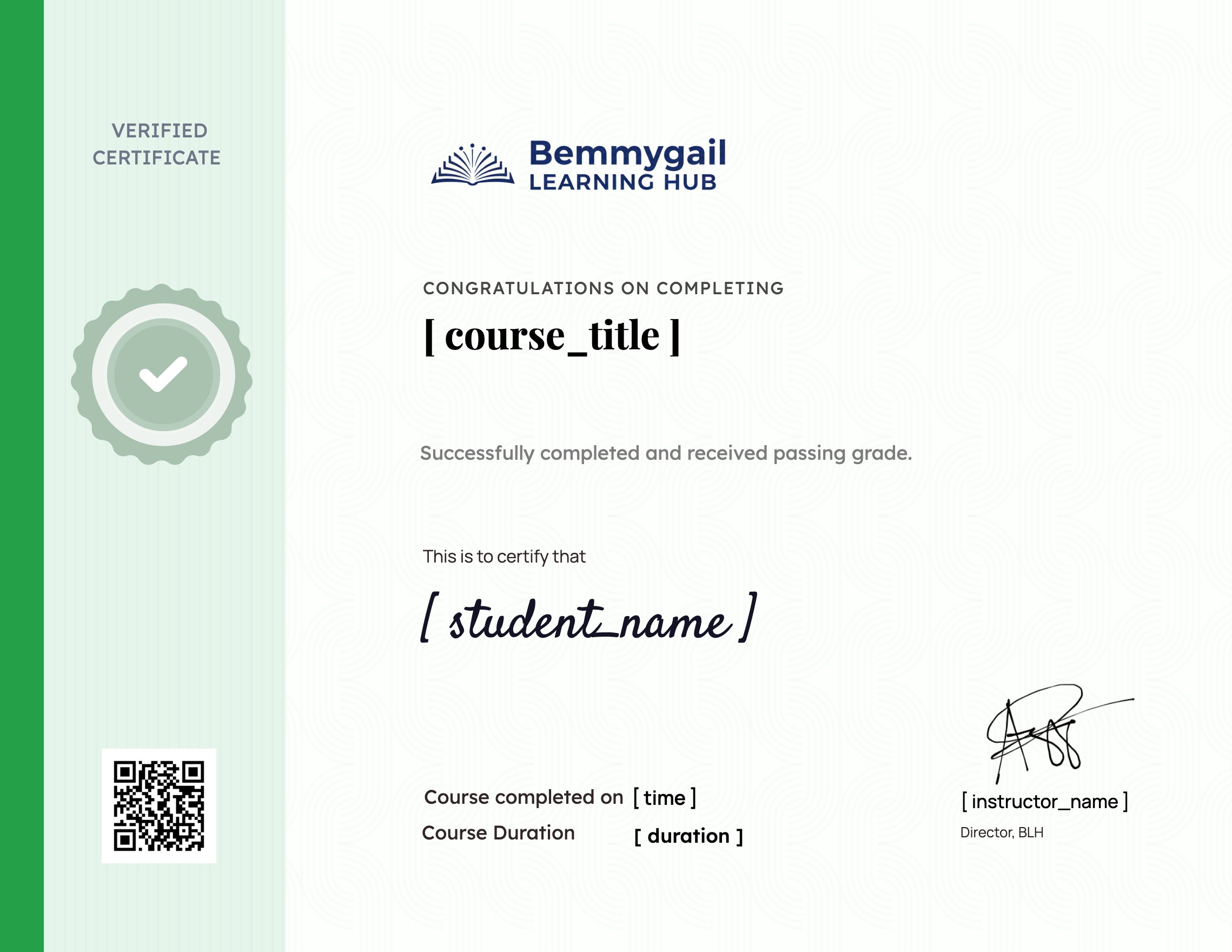
Earn a certificate

Add this certificate to your resume to demonstrate your skills & increase your chances of getting noticed.
selected template

Student Ratings & Reviews

No Review Yet
No Review Yet

Want to receive push notifications for all major on-site activities?